Postmortems
20122016
A hub that was switched off by its buyer
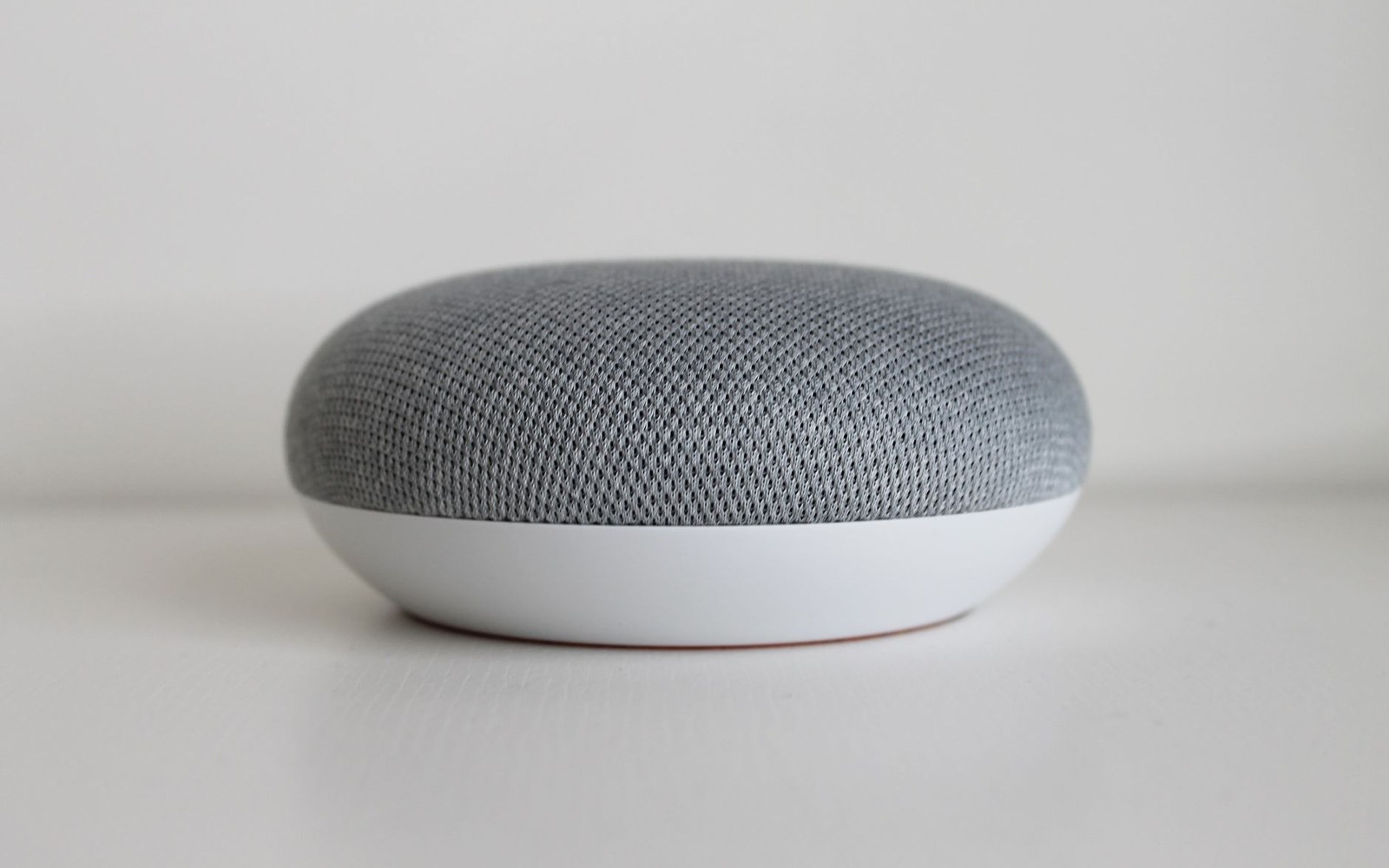
Revolv shipped a $299 hub with seven radios in it. Nest bought the company in October 2014, announced in April 2016 that the cloud service would end, and on 15 May 2016 every unit stopped working at once. The hardware was fine.
- Retail, 2012$299
- Service ended15 May 2016
- Refund offeredNone
- Residual valueZero
Photo: Anton / Pexels
Three points on the same line: the first device that phoned home, the year the cloud became the default, and the shelf of hardware it left behind.
The dependency was designed in before anyone asked what would happen when the server left. Twenty-five years later the answer is a resale price.
 1999
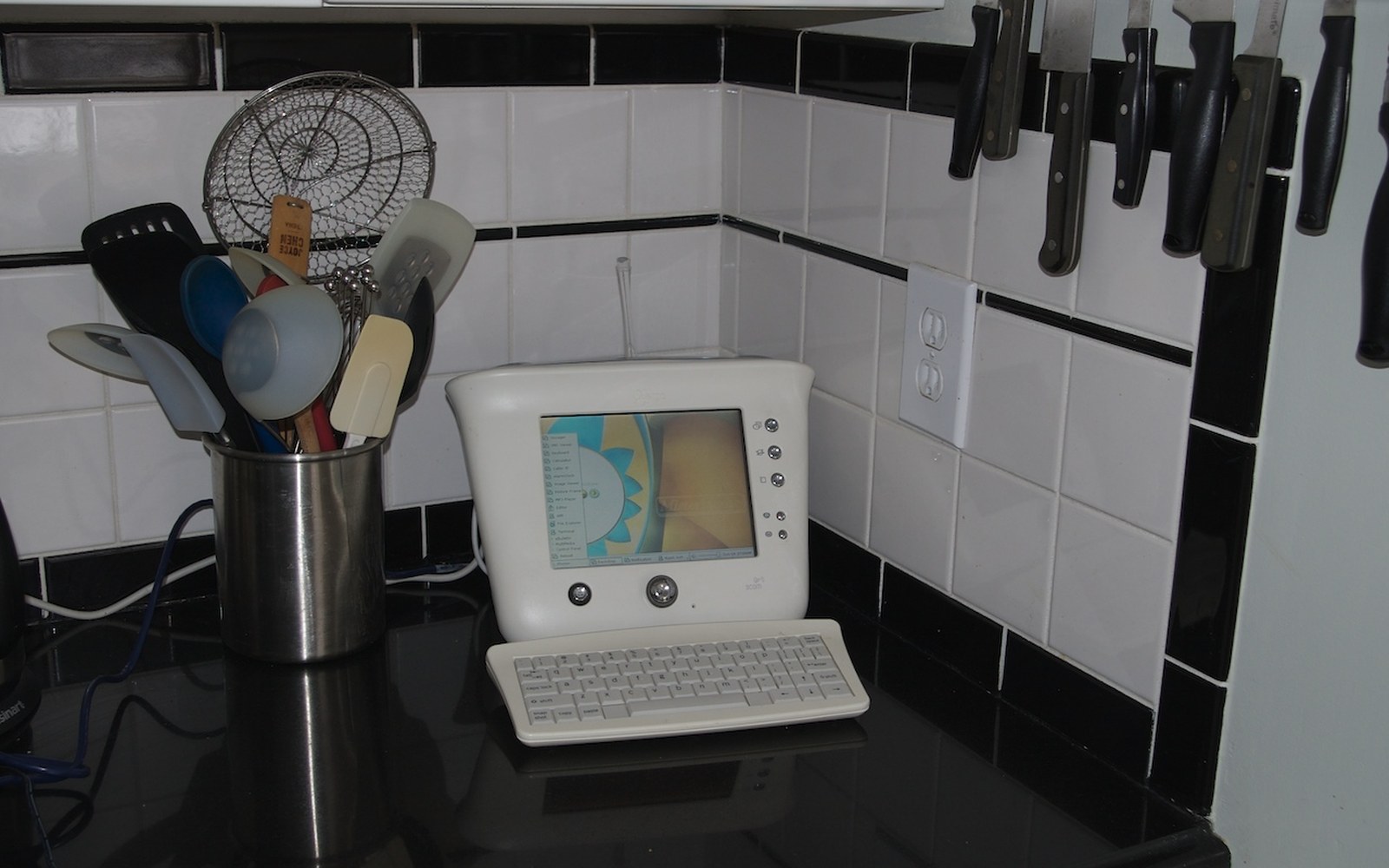
1999The first devices that phoned home
Networked consumer appliances appear at the end of the 1990s, and the dependency was in place before anyone asked what happened when the server left.
 2011
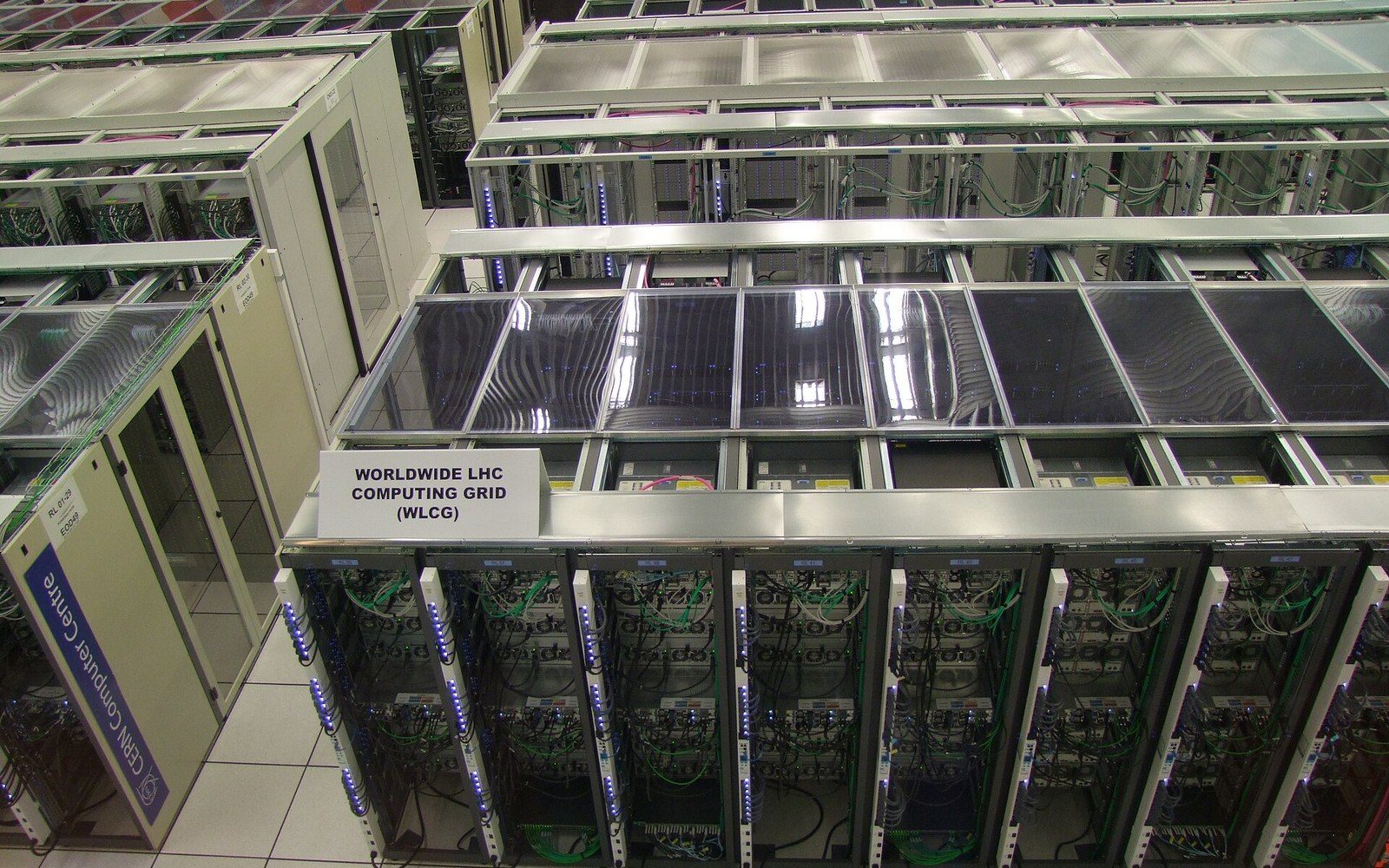
2011The cloud becomes the default
By the early 2010s the vendor cloud was the assumed control path, and local-only operation had to be argued for.
 The shelf
What a dead smart device is worth
Resale value collapses when the service ends, which is why lifespan and price should be read together at purchase.
A device that authenticates against a vendor server has a lifespan set by the vendor's business, not by its components.
Why the rest of the site follows
The pairing chip that rejects a genuine part. The glue that costs more to defeat than the part is worth. The open radio layers that keep working across three hub generations. The tonnage at the end of it.
Worth reading first
 The bill
Statute arriving after the practice
Repair laws in the EU and several US states now compel parts, tools and documentation, which is a legislative answer to a design decision.
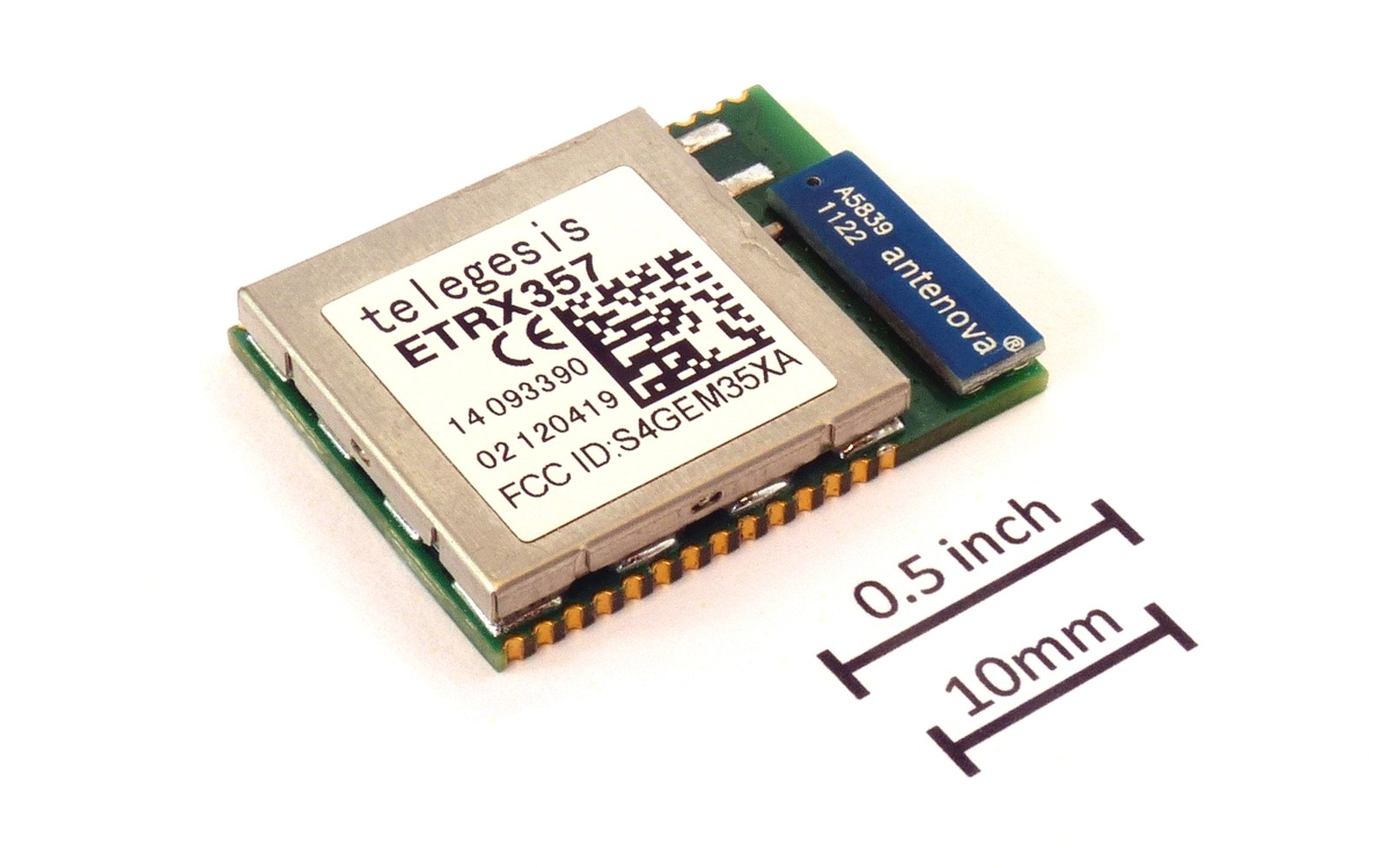 Protocols
Radios that outlived their hubs
Zigbee and Z-Wave devices keep working across hub generations because the radio layer was specified independently of any one vendor.
Four more, shorter
Accessories that check who made them
Authentication chips in cartridges, batteries and accessories exist to make a third-party part fail rather than to make the product work better.
How long a vendor promises to patch
Stated support windows for connected devices are short relative to the hardware's physical life, and several markets now require the period to be published.
Tonnage that is measured badly
Global e-waste is reported in the tens of millions of tonnes a year, with a documented collection rate far below what is generated.
A message format small enough to last
MQTT was designed for constrained links and remains the practical spine of self-hosted device control two decades on.
Kept going by
Supporters
These are the groups whose interest in what breaks, and why, matches ours.









Six sections, nineteen pieces
Every piece sits in one of them. The whole roster is on the archive.
01
Postmortems
Devices that stopped working on purposeThe server went off; the hardware was fine.3 pieces
 02
Lock-in
Designed, not accidentalPairing, firmware and the sealed enclosure.3 pieces
03
Protocols
What outlived the productsThe open standards that still work.4 pieces
02
Lock-in
Designed, not accidentalPairing, firmware and the sealed enclosure.3 pieces
03
Protocols
What outlived the productsThe open standards that still work.4 pieces
 04
The bill
What the failure costsWaste, repair law and the residual value.3 pieces
04
The bill
What the failure costsWaste, repair law and the residual value.3 pieces
 05
Numbers
Counting itLifespans, e-waste tonnage and repair rates.3 pieces
06
Timeline
How it went, in orderFrom the first tethered device to right-to-repair statute.3 pieces
05
Numbers
Counting itLifespans, e-waste tonnage and repair rates.3 pieces
06
Timeline
How it went, in orderFrom the first tethered device to right-to-repair statute.3 pieces