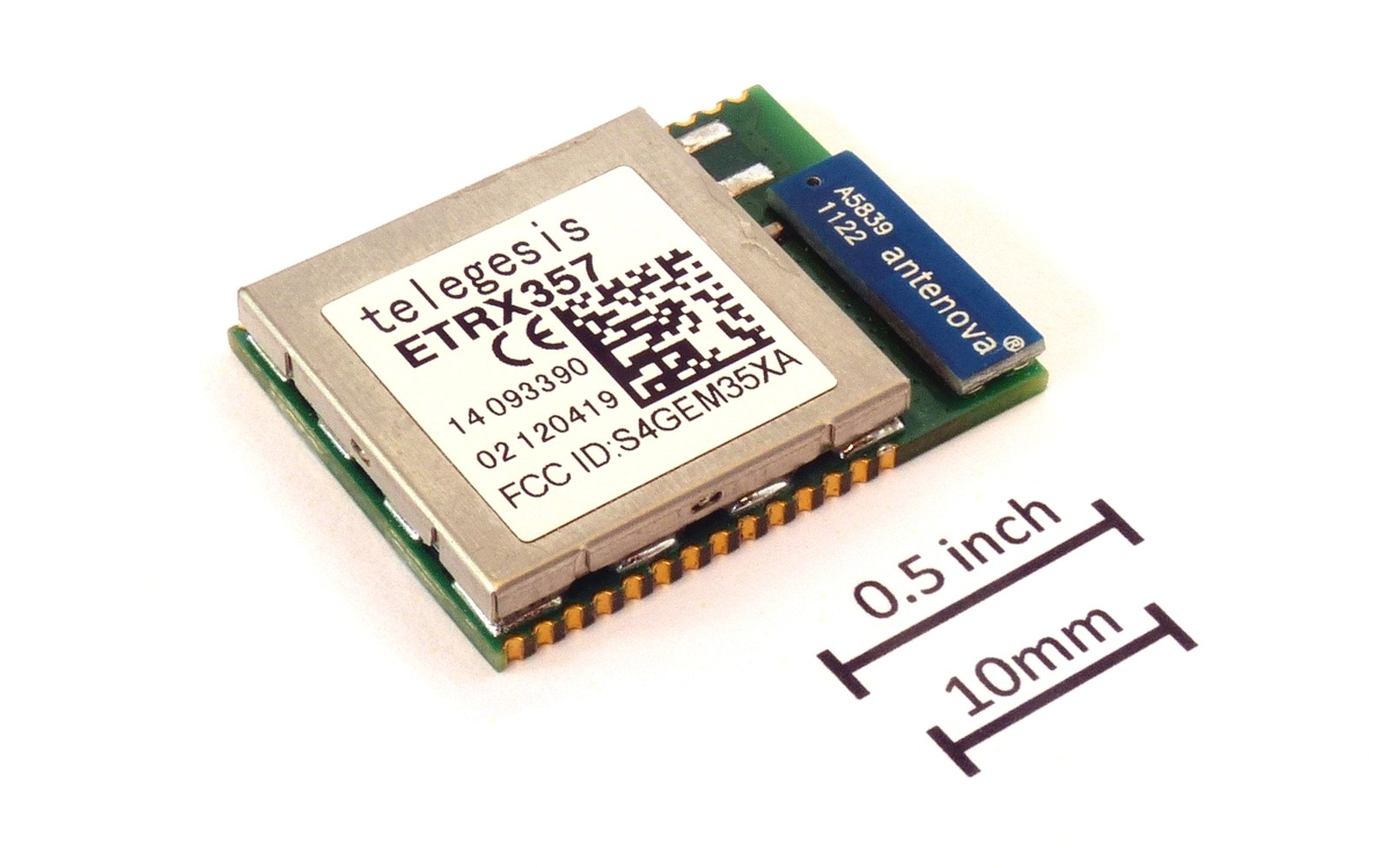
The protocol layer that no one owns
Most smart-home failures follow the same script: the vendor closes, the server goes dark, and the device becomes a paperweight. The Revolv hub is the canonical example — Nest acquired the company in 2014 and shut its cloud service down in 2016, converting a $300 piece of hardware into landfill without a single component failing. What failed, however, was not its radios but the cloud service that lived and died with its maker. The contrast with the two dominant mesh radio protocols in home automation is almost perfectly instructive.
Zigbee traces its specification to the early 2000s. The IEEE 802.15.4 standard — the physical and data-link layer on which Zigbee sits — was ratified in 2003, and the Zigbee Alliance (later renamed the Connectivity Standards Alliance ↗) published the first full Zigbee specification in 2004. Z-Wave followed a different path: developed by a Danish company called Zensys and later acquired by Silicon Labs, it operates in the sub-GHz bands (868 MHz in Europe, 908 MHz in North America) and was submitted to the ITU as a standard. Crucially, the Z-Wave specification was opened to the public in 2020, removing the last meaningful argument that it was proprietary. Both protocols are now specified at the radio layer by bodies that are not individual device vendors, and that prior independence is what makes them durable.
What this means in practice: a Zigbee bulb does not care which hub controls it, so long as the hub speaks Zigbee. It encodes no loyalty to any vendor in its firmware. The authentication happens at the network layer — the bulb joins a Zigbee network and responds to Zigbee commands — not at a server owned by whoever sold you the bulb. When the hub vendor goes out of business, you replace the hub. The bulb carries on. This is the opposite of the pattern that makes tethered devices worthless the moment the vendor's billing cycle ends.
Chronology
- 2003IEEE 802.15.4 physical/data-link standard ratified, the foundation Zigbee sits on
- 2004Zigbee Alliance publishes the first full Zigbee specification
- 2014Nest acquires Revolv
- 2016Nest shuts down Revolv's cloud service; hardware bricked remotely
- 2020Z-Wave specification opened to the public by Silicon Labs and the Z-Wave Alliance
Why radio independence actually holds in the field
Nothing about Wi-Fi itself prevents local control — the protocol is open — but the product design chooses cloud dependency because it is cheaper to build and more profitable to operate.
The theoretical independence is real, but it needs a qualified hub to be useful. The qualification matters: not every hub that claims Zigbee support exposes the full specification, and some vendors add proprietary cluster extensions that make their devices only partly interoperable. IKEA Trådfri bulbs and Philips Hue bulbs are both Zigbee devices, but Hue's entertainment-sync features depend on Hue-specific clusters unavailable to generic coordinators. The core on/off and dimming functions — the ones specified in the Zigbee Home Automation profile — work universally. Proprietary extensions are a narrowing of the protocol's value, not a negation of it.
The field evidence for radio durability is substantial. Home Assistant, the open-source home automation platform maintained by Nabu Casa, supports both Zigbee (via the Zigbee Home Automation integration and the zigpy library) and Z-Wave (via Z-Wave JS). Its device compatibility database lists thousands of Zigbee and Z-Wave devices from manufacturers, many of which have discontinued their own apps, ended their cloud services, or simply exited the market. Those devices continue to work under Home Assistant because the radio protocol has not changed. A Zigbee contact sensor sold in 2014 with a companion app that no longer exists can still join a current Home Assistant Zigbee network and report open/closed state. The hardware's useful life is determined by battery chemistry and mechanical wear, not by a vendor's server-maintenance budget.
Z-Wave's track record is comparable. The protocol's mesh architecture — each mains-powered device acts as a repeater — means that a Z-Wave network tends to become more reliable as it grows, independent of who made the individual nodes. Because Z-Wave uses unlicensed sub-GHz spectrum rather than the 2.4 GHz band shared by Zigbee, Wi-Fi and Bluetooth, it suffers less congestion in dense deployments. Certification for Z-Wave devices has always required interoperability testing, which created a baseline floor of compatibility that Zigbee's more permissive certification history did not initially enforce as tightly. The Z-Wave Alliance's certification database, maintained publicly, records devices going back well over a decade that remain on the current interoperability list.
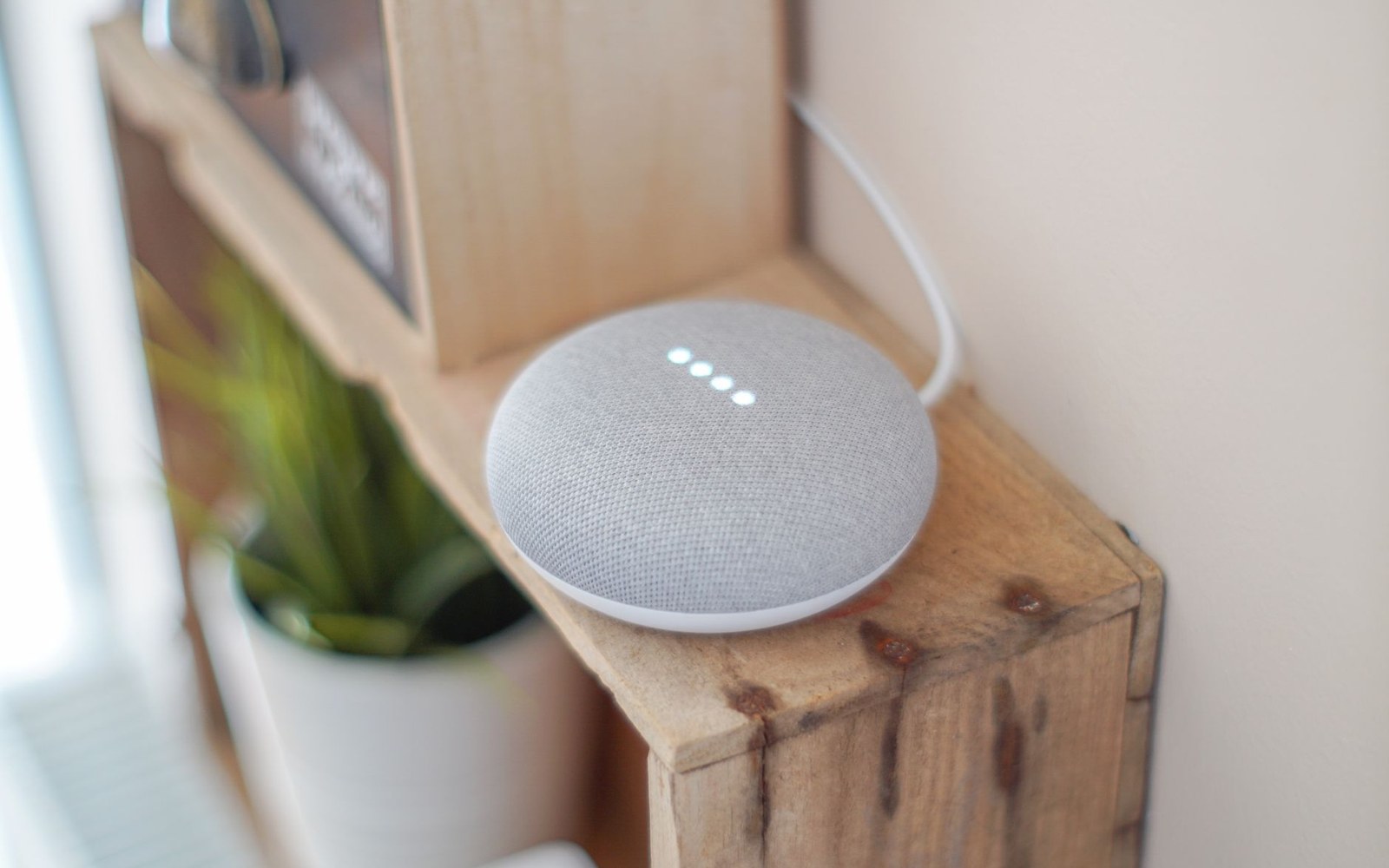
The contrast with Wi-Fi smart devices is sharp and instructive. A Wi-Fi smart plug typically runs a vendor app, authenticates against a vendor cloud, and becomes a dead peripheral when that cloud is retired. Nothing about Wi-Fi itself prevents local control — the protocol is open — but the product design chooses cloud dependency because it is cheaper to build and more profitable to operate. Zigbee and Z-Wave devices, by contrast, were designed for hub-mediated local control from the outset. There was never a central server to remove because the architecture never assumed one.
What the durability is actually worth
Residual value in smart-home hardware is almost entirely a function of whether the device depends on infrastructure someone else controls. A Zigbee motion sensor bought in 2018 for $30 still functions today and is still saleable; a Wi-Fi sensor from the same year whose companion app was discontinued is worth the plastic it is housed in. The price gap between the two at time of purchase was often small. The gap in useful life is measured in years.
The right-to-repair movement focuses, rightly, on physical access — screws instead of glue, parts availability, documentation. But radio independence is a parallel axis of repairability: a device that can be re-homed onto a different controller when its original controller fails is, in a meaningful sense, repairable at the system level even when no physical work is done. iFixit's repairability scores measure how easily a device opens and yields its parts; they do not yet score protocol independence, but the concept is directly analogous. A device that locks its radio to a vendor's cloud is sealed at the network layer in the same way a glued case is sealed at the physical layer.
The European Commission's emerging product-regulation framework — particularly the Ecodesign Regulation and the Radio Equipment Directive — has begun to address software and service dependency alongside physical repairability, though neither instrument yet explicitly mandates open radio protocols. The pressure is directional, not yet decisive. In the meantime, buyers who want hardware that holds value should read the protocol label before reading the brand name. Zigbee and Z-Wave are not guarantees — proprietary extensions exist, certification quality varies, and the hubs themselves can still fail — but they represent decades of demonstrated durability that no cloud-dependent Wi-Fi device has matched.
The radio layer was specified before the hub market existed. That sequencing, almost accidental in its origin, turns out to be the most durable form of consumer protection in the smart-home category.