What Matter is, and what it isn't
Matter is an application-layer specification for smart-home devices, published and maintained by the Connectivity Standards Alliance ↗ — formerly the Zigbee Alliance — and formally released as version 1.0 in October 2022. The founding members include Amazon, Apple, Google and Samsung, which gives Matter more industry weight behind it than any previous attempt at a common layer. The pitch is straightforward: a Matter-certified light bulb should work with any Matter-certified hub, regardless of who made either one.
The architecture choice that matters most for longevity is that Matter runs locally, over Thread or Wi-Fi, without requiring a vendor cloud for basic operation. That is a deliberate departure from the model that broke products like Revolv, whose hub became a paperweight when Nest switched its servers off in 2016. A device obeying the Matter spec should, in principle, continue responding to commands on the local network even if the manufacturer ceases to exist. "In principle" is doing real work in that sentence.
What each layer controls
- Application layer — what commands mean: on, off, colour temperature, lock state; Matter's job
- Transport layer — how commands travel: Thread (mesh radio), Wi-Fi, or Ethernet
- Commissioner — the onboarding app or hub that adds a device to a Matter network; can be discontinued
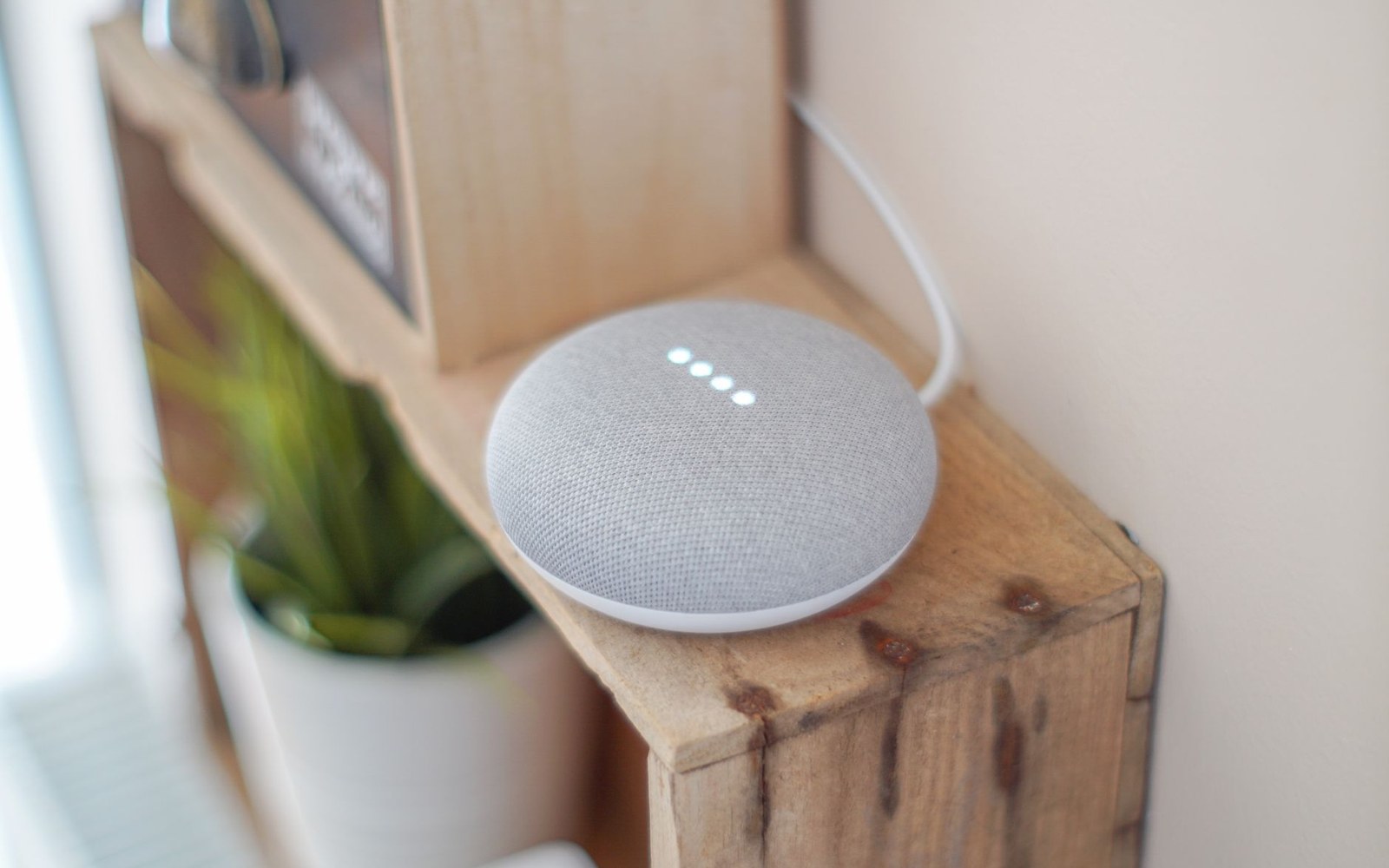
- Thread border router — the device that bridges the Thread mesh to the IP network; typically a smart speaker or hub
What the spec actually guarantees
Home Assistant has built its own open commissioner, which matters precisely because it exists independent of any single vendor's business survival.
Matter defines a core set of device types — lights, thermostats, locks, sensors — with mandatory clusters of functionality that any controller must be able to reach. A device certified to those clusters is genuinely interoperable at the level the spec describes. The problem is that certified devices routinely ship with manufacturer-specific clusters alongside the standard ones: the interesting features, the ones that differentiated the product in the store, frequently live in those proprietary extensions. Lose the vendor's app and you lose the colour-scene programming, the occupancy-based presets, the firmware update path.
There is also the question of the commissioner — the hub or app that must onboard a Matter device to a network in the first place. Commissioning currently requires a controller application, which is software that can be discontinued. The spec does not compel a manufacturer to keep a commissioner available, nor does it require them to publish one under an open licence. Home Assistant has built its own open commissioner, which matters precisely because it exists independent of any single vendor's business survival.
Thread, the mesh radio that Matter uses for battery-powered devices, adds a further dependency: a Thread border router. Border routers are typically built into smart speakers and hubs. If the border router goes away, Thread-only devices on that network stop being reachable until another border router is added. The radio layer is open; the infrastructure around it is not always.
How to read a Matter label before you buy
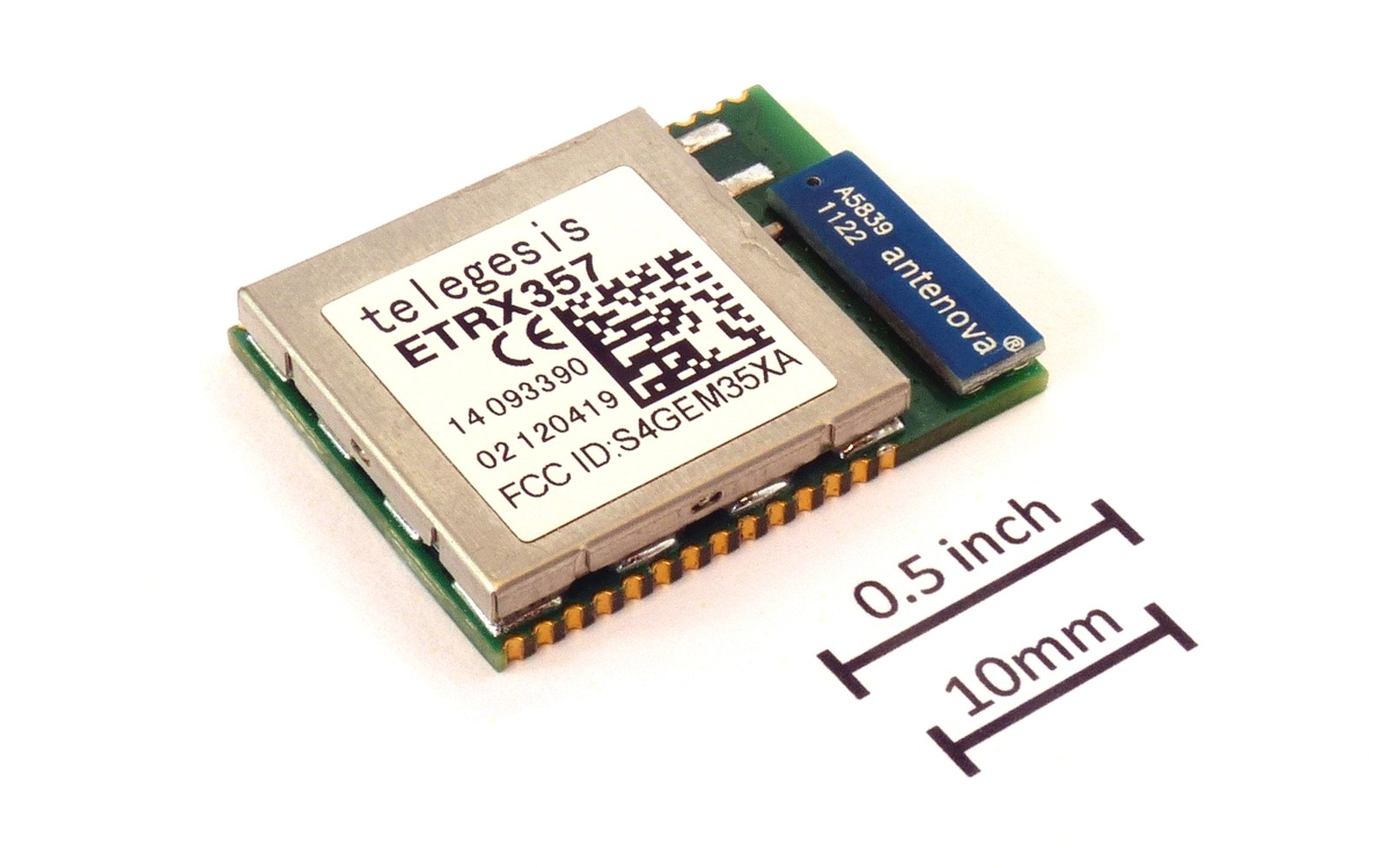
The certification badge on a box tells you the device passed conformance testing against the version of the spec current at time of certification. It does not tell you what proportion of the device's functionality lives in standard clusters versus proprietary ones, how long the manufacturer commits to signing firmware updates, or whether the commissioner software will outlast the product line. iFixit's repairability framework ↗ has begun incorporating software-dependency questions alongside physical-teardown scores, but no equivalent certification exists for Matter's longevity claims.
For a buyer trying to assess five-year value, the practical questions are: Does this device have known support in an independent controller — Home Assistant, Apple Home, or a Thread-native app not tied to a single vendor's cloud? Does the manufacturer publish a minimum update-support window? And is the physical hardware repairable if the radio firmware stops being signed? The European Commission's Ecodesign regulation for electronic displays has begun pushing mandatory software-support disclosure, and a broader digital product passport requirement is moving through EU rulemaking — but as of mid-2025, Matter certification carries no such obligation.
Matter is the most credible attempt yet at a common layer that puts local control first. It is not a guarantee. The devices most likely to outlive their vendors are those that implement standard clusters fully, run over a radio with multiple independent controller implementations, and come from manufacturers with a documented support horizon. The spec is necessary. It is not sufficient.